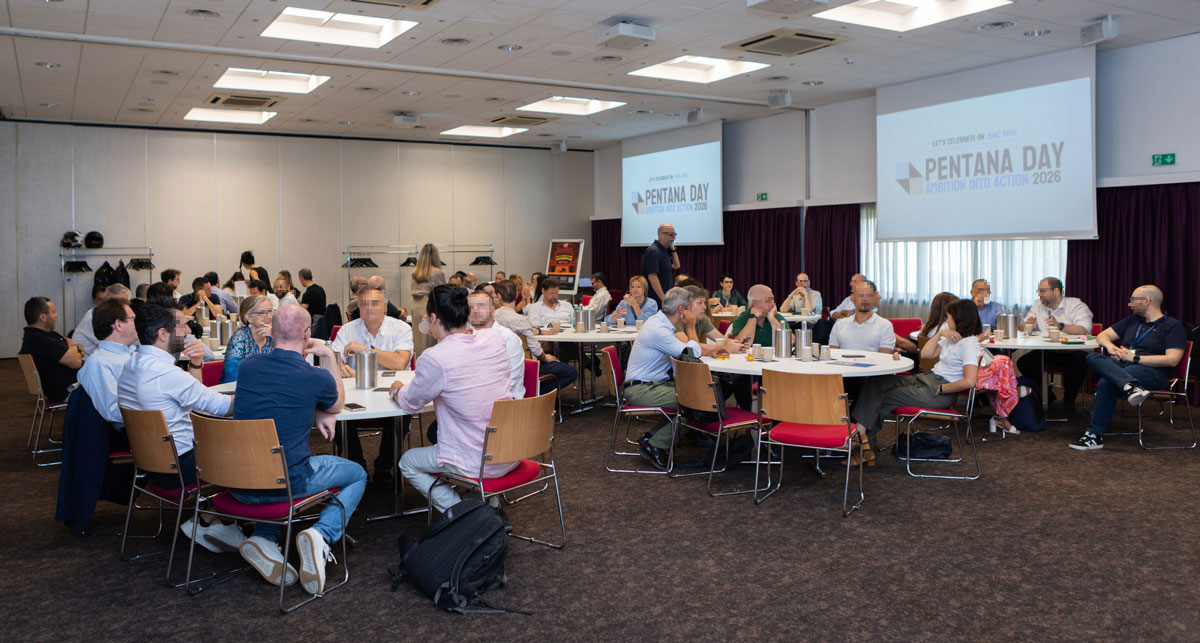
How location preferences in events are changing and why
There is a clear shift in how locations are chosen for events, brand experiences and corporate gatherings, and it is less about availability and more about meaning, and alignment with identity.
What once felt like a logistical decision now carries a heavier cultural weight, shaped by perception, audience expectation and the language of space itself.
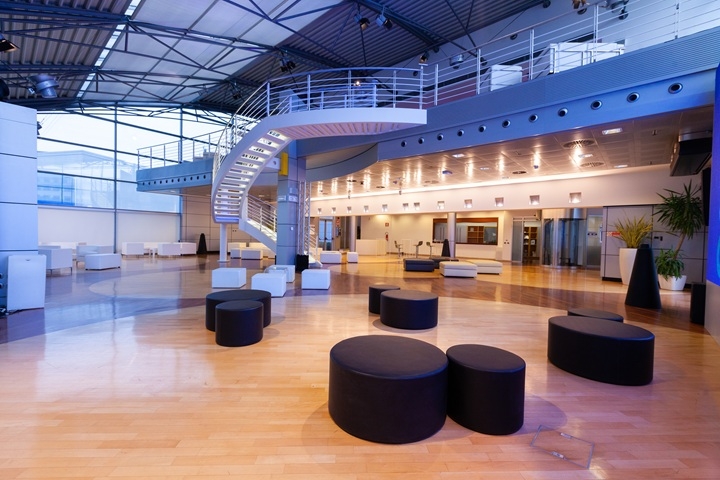
From convenience to meaning
Location selection is no longer anchored in practicality alone, but emotional resonance and narrative fit have taken centre stage, as spaces are treated as extensions of storytelling rather than neutral containers.
Research in experience design and event strategy highlights this transition, particularly in studies from Deloitte and EventMB, which underline how audiences now expect coherence between message and environment, showing that venues are no longer just where something happens, but they become part of what is being communicated.

The power of identity in spatial choice
Brand identity has become a quiet but persistent filter in decision making, shaping choices in colours, materials, architectural tone and historical context, all elements that can influence whether a space feels aligned or slightly off key.
With so many event venues to choose from, we’re truly spoiled for choice, and it often happens that clients contact us without a specific idea in mind, effectively leaving the decision in our hands. In these cases, the guiding principle remains the same: the venue must reflect the company’s identity and unique style, whether it is a rooftop evoking openness to networking and a distinct urban flair, a historic villa with a refined and sophisticated ambiance, or an innovative high-tech space.
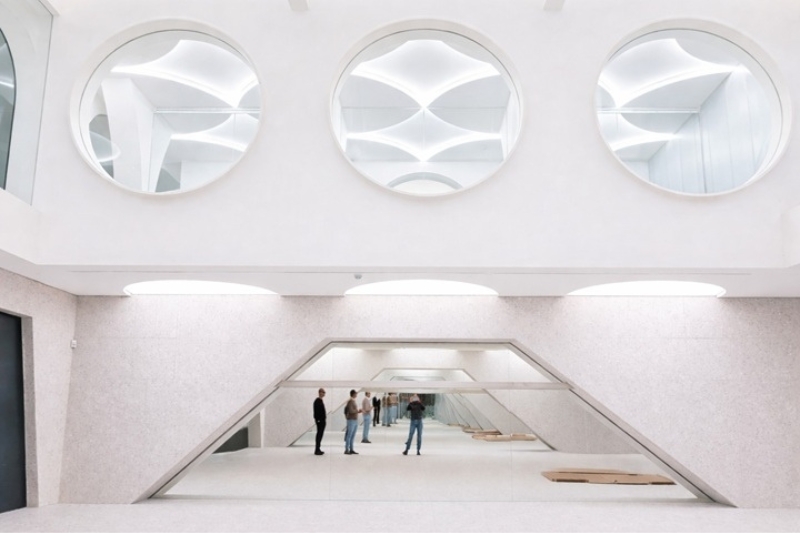
Why preferences keep evolving
Digital culture has made audiences more visually literate, meaning they decode environments faster and with greater sensitivity. Social platforms amplify visibility, turning every venue into a stage set that may be scrutinised beyond the moment itself.
Organisations are increasingly aware that coherence between message and environment strengthens credibility, and a mismatch can dilute impact.

A more intentional way of choosing spaces
The selection process has become less about scanning options and more about reading signals, with spatial choice behaving like a translation between intention and environment, where each decision communicates values and ambition.
The result is a landscape where variety is not overwhelming but necessary, because different narratives require different stages. What matters is not only what is said during an event, but also what the space implies while nothing is being said at all.
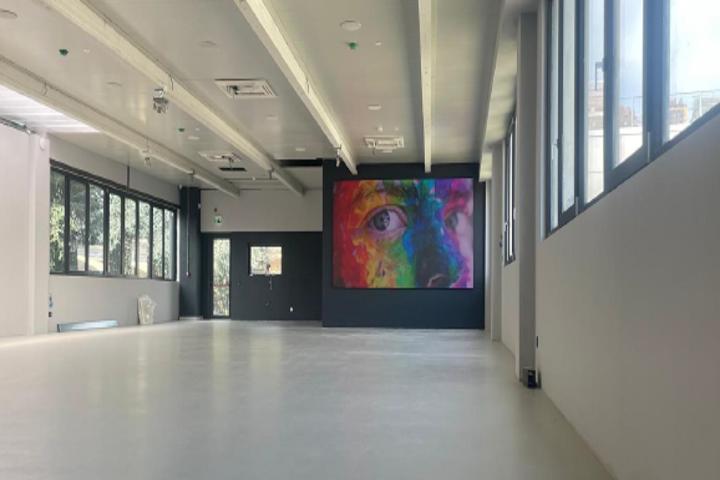
In the end, location preference is no longer about preference in the traditional sense but about alignment, where space and identity meet in a shared language that audiences understand instantly without explanation.