Organizing Events in 2026: What Has Actually Changed?
People blame events for falling flat. Audiences blame planners. Planners blame venues. Meanwhile, nobody's naming the actual culprit: expectations transformed, and organisations are still designing 2018.
Fifty-one percent of planners now choose specialty venues like stadiums, museums or vineyards compared to 33 percent in 2023, according to IACC's 2025 Meeting Room of the Future report, and that shift alone tells a much larger story. It's not that planners suddenly became fancy. It's that attendees stopped settling for generic conference rooms, and organisers got the message.

The hotel standard finally broke
For decades, organizing an event often meant booking a hotel. But what was once considered a safe, predictable, and practical choice is now giving way to more distinctive venues that respond to evolving expectations and the digital transformation of the events industry.
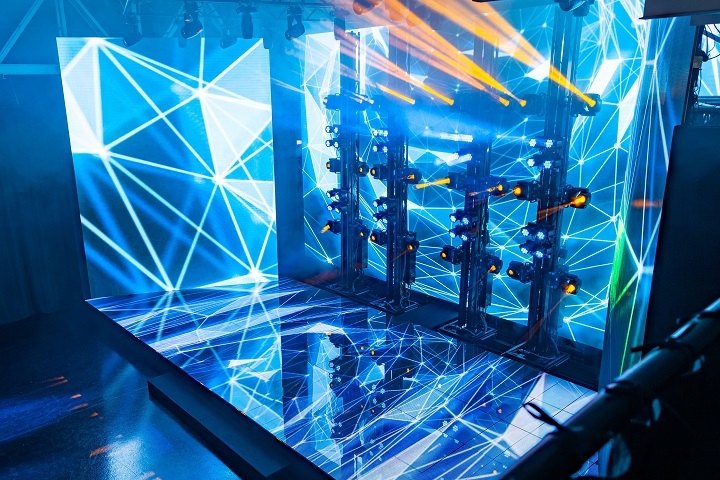
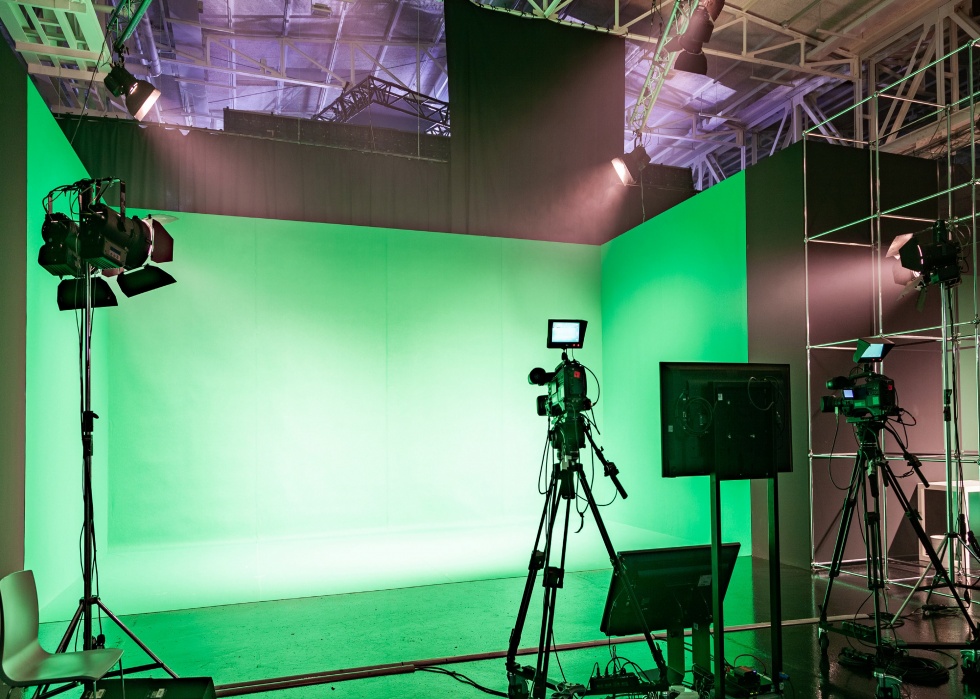
Milan's landscape shifted accordingly. A technology-driven venue in Tortona 2488 (sitting in the heart of the Design and Fashion quarter) features four adaptable spaces and an elegant bistrot, suited to product launches, exclusive meetings and conferences where flexibility and creative positioning both matter. Meanwhile, the expanded maxi studio in the Famagosta zone carries serious production value for digital and hybrid events, equipped with state-of-the-art LED screens, a spectacular LED stage and an expansive green screen, delivering production quality that rarely existed outside broadcast studios. Both spaces answer the question that matters now: what can this venue deliver that another venue simply cannot?
Food and beverage stopped being catering
Food and beverage now rates an average 9.0 out of 10 for importance amongst planners, with respondents emphasising it as a key part of meeting design and experience. That's not a minor upgrade. That's repositioning a functional service into something strategic. Catering used to mean feeding people between sessions. Now it means using F&B to build connection and signal values, and advance sustainability goals. Territory-inspired menus, creative food stations, careful portion control and waste reduction all carry weight. A dinner becomes a statement.

Accessibility, networking and flexibility became non-negotiable
Planners consistently ranked physical characteristics, lighting, acoustics and flexibility as higher priority than educational content itself, which inverts how venues used to think about their value proposition. Flexibility, lighting, acoustics and adjacent networking spaces are repeatedly emphasised across regions as essential event requirements.
That means round-the-clock configurability, spaces explicitly designed for spontaneous connection rather than scheduled mingling, genuinely comfortable seating and lighting that doesn't exhaust people.
It also means accessible venues with strong public transit links and facilities genuinely designed for people with varying mobility and sensory needs, not retrofitted ramps.
Sustainability moved from afterthought to strategy
Organisations stopped treating environmental responsibility as a communications exercise. Planners increasingly request sustainable catering and inclusive design and evidence of climate accountability, with Europeans particularly emphasising accessibility and public transport proximity.
That means asking venues for carbon data, food waste prevention practices and ethical operations before booking, not after. It means integrating sustainability into event design from day one rather than tacking it on as a final gesture.

Experience became the actual measure
The core shift sits here: organisations stopped measuring event success by attendance numbers, speaker calibre or format innovation. They measure it by whether people felt something real. That requires planning from experience backwards, not venue forwards. It requires asking why people should attend in person before asking where they should go.
It requires recognising that a memorable three-day programme with outstanding speakers still lands flat if the venue feels cold, the food feels mass-produced and the network spaces feel like after-thoughts. Location a Milano spends years cultivating a portfolio precisely because understanding that gap—between what spaces offer and what experiences demand—is where genuine value sits. The venues that succeed in 2026 aren't the most technical or the most fashionable. They're the ones that understand a simple principle: people remember how they felt, not what they saw.