How the way we celebrate Christmas is changing
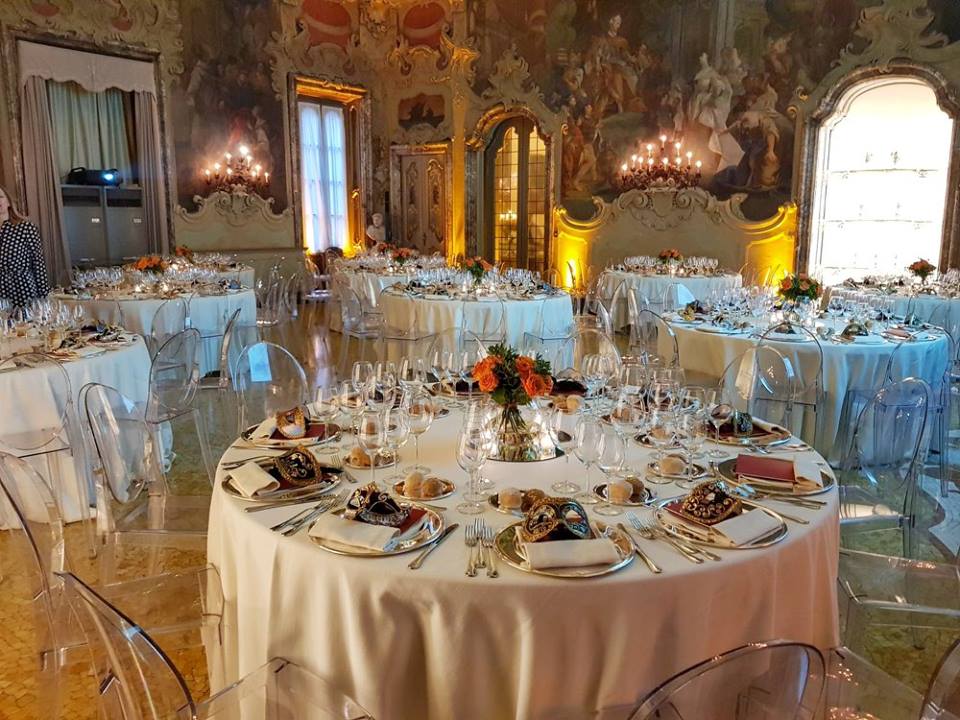
For years, the corporate Christmas party followed a familiar formula, with carefully set tables and background music accompanying dinner.
Today, though, requests landing on event planners’ desks tend to be more dynamic and occasionally unconventional, with greater emphasis on giving guests the freedom to choose how they spend the evening.
.jpg)
From formal gathering to genuine celebration
Among the leading trends, immersive set-ups are gaining attention, with organisers using scenography and carefully chosen lighting to create distinctive atmospheres, such as a winter garden or a cosy alpine lodge.
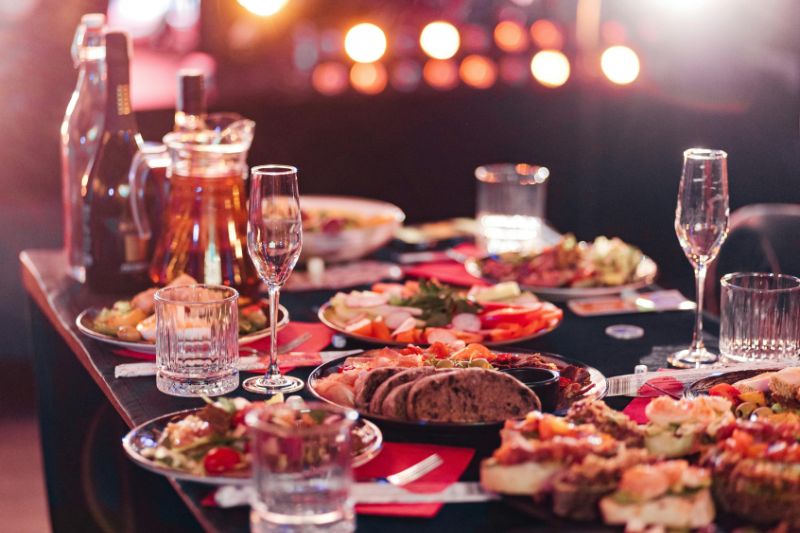
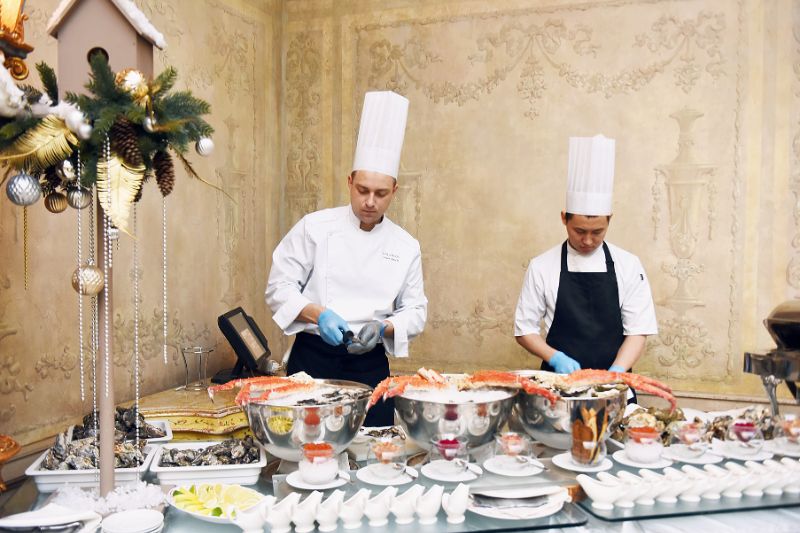
Interactive food and drink stations are also becoming more common, allowing guests to prepare their own cocktails with the help of a mixologist or sample dishes at live cooking stations. Entertainment increasingly involves guests directly, whether through a cooking workshop or a team building activity that gives colleagues the opportunity to work together in an informal setting.
Furthermore, entertainment is increasingly focused on actively involving participants—for example, through a cooking workshop or a creative team-building activity, such as producing a podcast or a Christmas radio play. These activities allow colleagues to express themselves in a festive atmosphere while fostering an informal and engaging environment.

Wellbeing and inclusivity now shape the guest list’s experience
The worst thing that can happen, in fact, is for someone to feel like an outsider at their own company’s party—and, unfortunately, this can happen when an inclusive approach is not adopted. Consider, for example, someone with sensory sensitivities who, at a party in a club, struggles to cope with loud music and constant lighting effects and cannot find a quiet space to pause and talk to others without feeling overwhelmed. In such cases, providing a relaxation area away from the dance floor allows everyone to enjoy the evening without having to leave early.
Companies are also increasingly incorporating charitable initiatives that support causes championed by their teams, placing the well-being of others at the heart of their celebrations. One option, for example, is to organize a team-building event where employees prepare personalized gifts for residents of shelters or assemble kits containing essential items for people in need.
Another idea is to organize a Christmas-themed volunteering initiative in partnership with a local organization that offers practical activities employees can take part in. For example, they could help maintain a community garden or renovate a public space, or support older adults in using online services with greater confidence.
Micro-events and unconventional venues reshape the brief
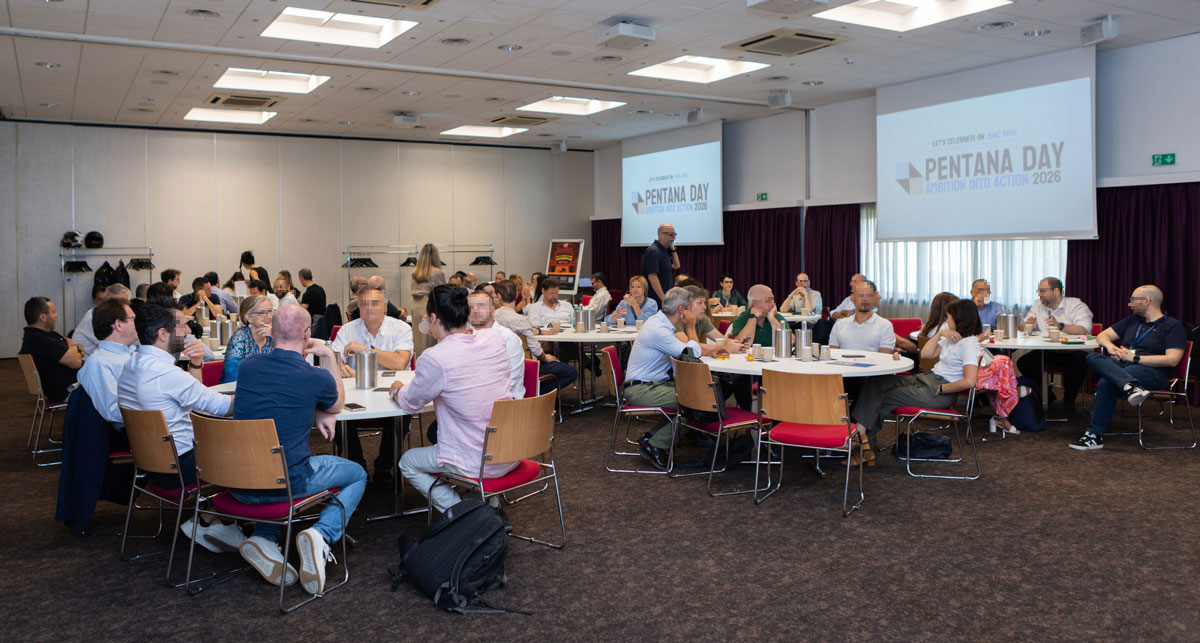
One notable development is the growing interest in micro-events, such as private dinners, roundtables and small-group workshops, which create more opportunities for direct conversation and professional relationship-building than larger gatherings.
According to Forrester research cited by Cvent, 58% of marketing professionals plan to organise more smaller-scale events going forward, a statistic that tracks closely with what we’re seeing requested directly from clients.
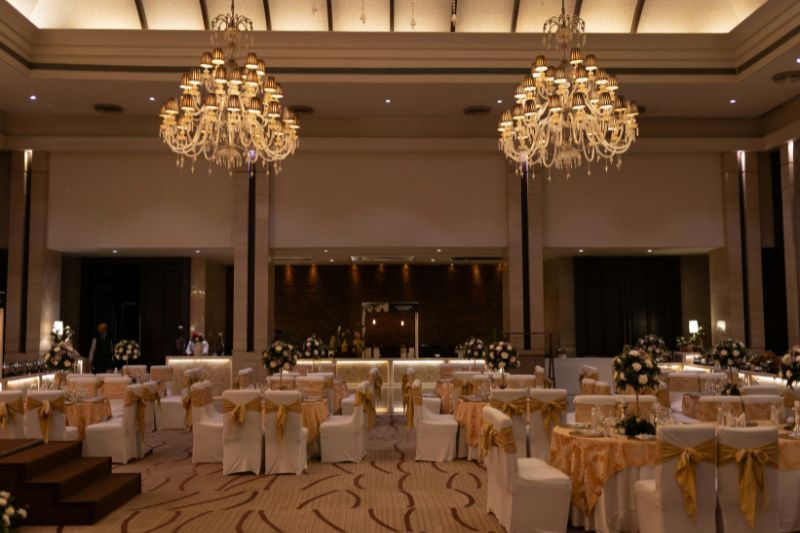
Venue selection has become considerably more strategic too. Beyond hotels and conference centres, organisers increasingly consider cultural spaces and unconventional environments. According to the Planner Sourcing Report cited in recent industry data, 48% of planners now consider this type of venue specifically to deliver experiences better aligned with their actual objectives, rather than defaulting to whatever ballroom happened to be available.
Choosing the space that reflects who you actually are
For a company working in architecture or urban design, for instance, a Christmas evening could take place in a striking building that is usually closed to the public, with a private guided tour led by the architect behind the project, followed by a dinner inspired by the building’s location and history. The venue itself would become part of the experience, giving colleagues something unusual to discover together while keeping the celebration closely
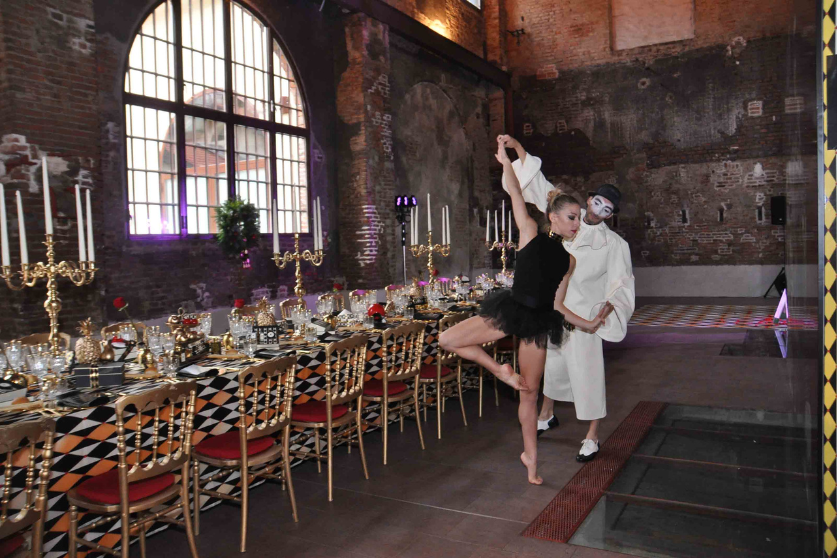
A corporate Christmas party is in fact also a creative decision, as the way a company decides to celebrate the occasion can reflect its priorities and convey the kind of relationship it wants to build with its people, setting it apart from more conventional, run-of-the-mill solutions. A dinner inspired by the company's history, for example, or an evening at a venue that holds special significance for the team, can give the event a unique character and make the entire experience more engaging from the very planning stage.
So this Christmas, too, don’t forget tradition, but embrace innovation—with one eye on the future and the other turned inward, toward the heart of your business—while never forgetting the team that makes the continued growth and success of the company you’ve chosen to invest in possible, day after day. Once you’ve chosen your theme, you’ll be able to explore a wide range of venues that perfectly complement the atmosphere you want to create and the message you want to convey.