July is the ideal moment to begin planning your Christmas corporate dinner
Most organisations regard Christmas dinner planning as a December concern. Yet wise event strategists understand that waiting until autumn guarantees compromised venue options, rushed vendor coordination, and inadequate time for thoughtful programme development.
July presents an entirely different scenario: sufficient lead time for meticulous planning, genuine venue choice rather than accepting whatever remains available, and space for iterative refinement rather than frantic improvisation.

Diagnosing your organisation's emotional landscape
Before selecting venues or finalising dates, something more fundamental requires attention. The company's current state profoundly shapes what the event should communicate and the atmosphere it needs to generate.
An organisation experiencing rapid expansion carries different energy than one navigating leadership transitions or managing complex restructuring. Teams distributed across multiple locations need different connectivity strategies than co-located groups. These contextual realities aren't obstacles to work around; they're essential inputs guiding every subsequent decision.

A company that has grown substantially might require a celebration honouring the collective achievement, recognising individual contributions, and constructing genuine gratitude. Conversely, an organisation that has weathered significant change might benefit from a format centring reciprocal listening, relationship repair, and visible presence from leadership—moving beyond surface-level social gathering into something more substantive.
Translating intention into symbolic direction
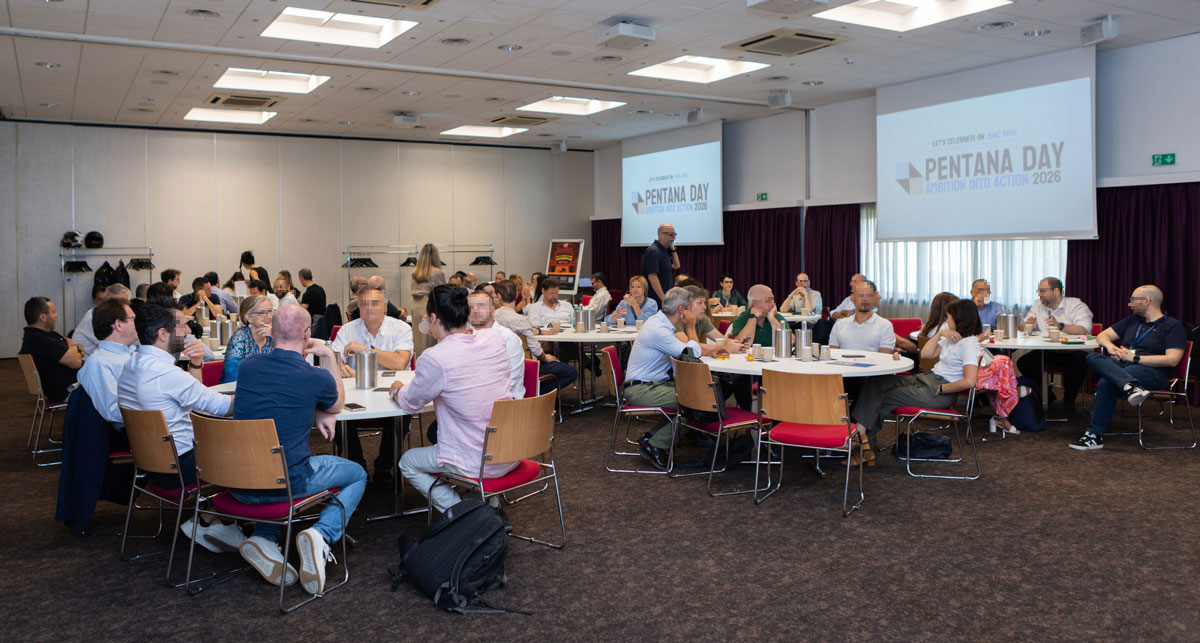
Each of these approaches requires different choices, and this is reflected in every element of the corporate Christmas dinner, starting with the venue. An event focused primarily on celebration will benefit from spaces that amplify collective energy, while an event designed to strengthen relationships will be better suited to more intimate settings, where colleagues can connect as individuals rather than simply as professional roles.

Thoughtful planning then transforms these intentions into concrete decisions. The choice of venue, timing, balance between structured activities and spontaneous interactions, and even the quality of the conversations encouraged throughout the evening should never be driven by personal taste or isolated aesthetic preferences, but rather by a clear and coherent event strategy.
Navigating different organisational contexts
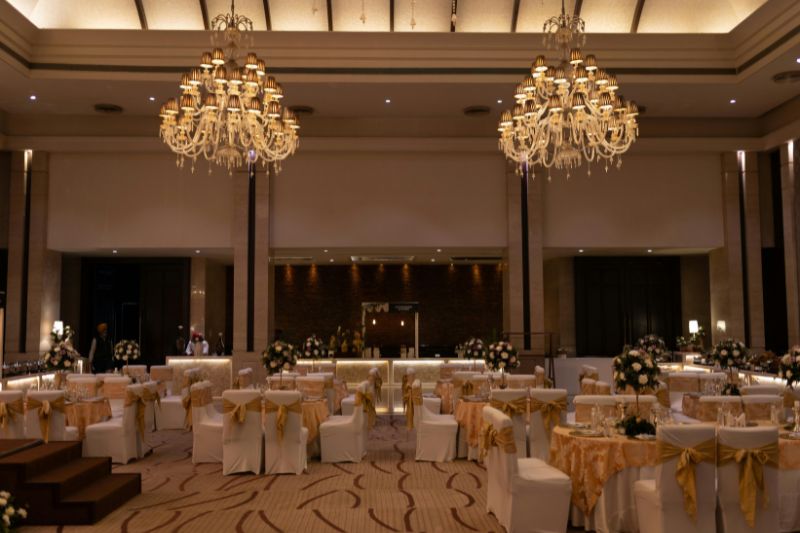
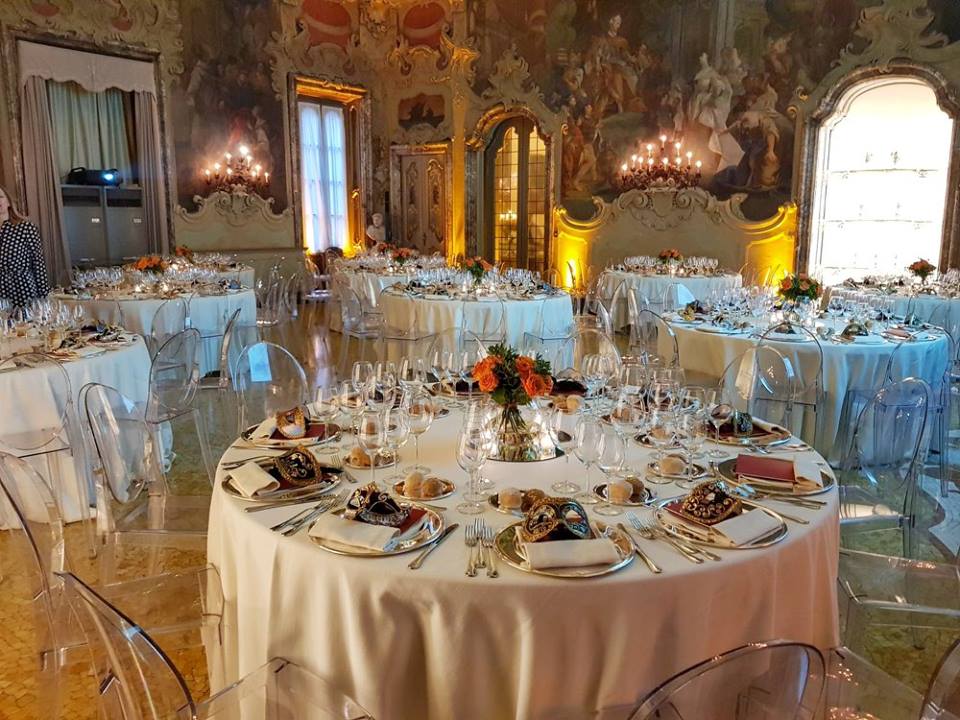
A technology company celebrating substantial year-on-year growth might select a contemporary venue encouraging innovation conversations and showcasing the future trajectory they're building together. A professional services firm managing partner succession could benefit from a classical setting providing historical grounding and continuity whilst remaining open to new leadership voices. A dispersed international team might require hybrid experiences allowing simultaneous participation across time zones, ensuring nobody occupies the periphery of shared company culture.

Location as cultural amplification
The choice of venue has a much deeper psychological impact than many organisers initially realise. In this sense, there is no perfect venue in absolute terms; there is only the right venue for a specific group at a specific moment in its history.
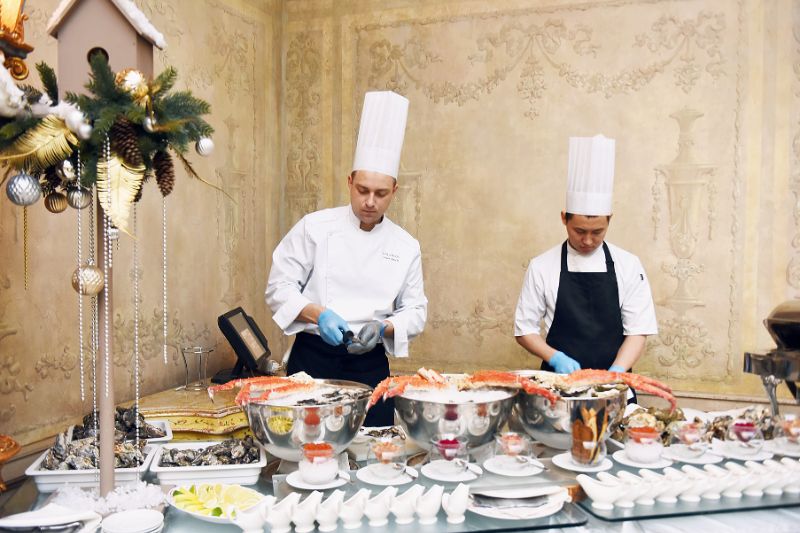
Planning everything in July allows you to visit venues at a more relaxed pace, establish a direct relationship with venue managers, and carefully assess capacity and organisational requirements. This ability to plan ahead helps transform each decision into a more thoughtful one, increasing the chances of creating a Christmas event that truly reflects the organisation’s identity and objectives.