Five practical tips for organising a corporate Christmas party
December creeps in with that slightly chaotic office mood, calendars already half-full, and suddenly the corporate Christmas party shifts from idea to operational task, with HR teams and event organisers juggling expectations that rarely align neatly.
According to industry insights from Eventbrite’s workplace event trends and MPI research on corporate gatherings, this event remains a corporate celebration that cannot easily be done without.

Choosing a venue that actually fits the team
Location comes first, but not in the generic sense of a “nice place with lights”, since the real question lies elsewhere: how people will actually move through the space, interact, stay, and drift apart.
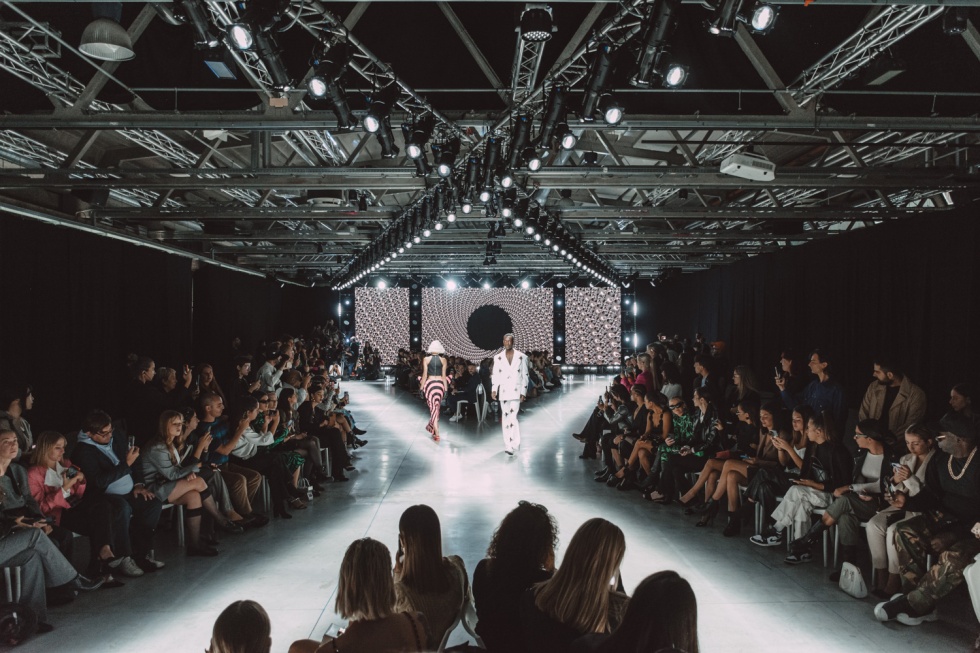
A converted industrial loft in a mid-sized European city, for instance, tends to encourage informal clustering, while a structured hotel ballroom pushes towards more staged interactions. Neither is inherently better, although mismatches are common when scale is overlooked.

A small detail that is often overlooked is the proximity to transport hubs. A venue that is technically “central” but requires multiple transfers tends to reduce attendance towards the end of the evening. This way of evaluating a venue can, in fact, be applied across many different contexts. It is therefore worth paying close attention to this aspect.
Budget planning without the usual blind spots
Budgets for corporate Christmas parties often start as a single figure and gradually fragment under pressure. Catering expands, followed by lighting, then “just one more DJ set”, along with additional ideas and possibilities that emerge as the concept unfolds.

A more controlled approach usually separates fixed costs (venue hire, core catering) from variable experiential layers. That distinction alone prevents the last-minute trimming of meaningful elements such as shared activities or interactive installations.
Industry benchmarks from Deloitte’s hospitality outlook suggest that companies allocating clearer budget categories report fewer post-event adjustments, although the real gain is simpler: fewer surprises in the weeks leading up to the event.
Theme and activities that don’t feel imposed
Themes work only when they are light enough to breathe, whereas over-designed concepts tend to collapse under their own weight. A more grounded approach uses activity clusters rather than rigid storytelling. For example, short participatory segments—such as mini creative stations, collaborative photo corners, or rotating group tasks—allow different departments to connect without forcing uniform participation.

A detail often missed: downtime matters. Not every minute needs to be filled, even if the instinct pushes in that direction.
Catering and entertainment as a single ecosystem
Food and entertainment rarely work well when treated separately, as a seated dinner followed by a completely disconnected performance creates a hard reset in atmosphere.
More coherent setups link the pacing: informal grazing menus paired with roaming performers or modular music sets that adapt to crowd density.

Catering choices also carry cultural weight, and inclusion here is practical rather than symbolic—dietary variety, late-night availability, and simple labelling reduce friction more effectively than elaborate menu descriptions.
Invitations and logistics that don’t unravel at the end
Invitations are often treated as administrative steps, yet timing shapes attendance more than expected. Sending invites too early risks detachment, while sending them too late can create fragmentation.

A structured reminder sequence, spaced rather than repetitive, tends to stabilise numbers. Logistics sit in the background but determine the actual experience: staggered arrivals, clear floor flow, and visible coordination points inside the venue prevent the subtle confusion that tends to accumulate in larger groups.
A small but recurring issue is unclear communication at the end of the event, as people leaving at different times without coordination often reshape the final impression of the evening more than any single activity.