Christmas: searching for great venues
The planning cycle for corporate Christmas parties tends to begin much earlier than many executives expect.
While January is usually dedicated to financial reviews, strategy meetings and the slow restart of business activity after the holidays, experienced event planners have already started looking ahead to December. In many cases the most strategic venue bookings take place between February and March, long before the festive season enters everyday conversation. This early timing reflects the specific demands of end of year corporate celebrations. Events of this kind usually involve large guest lists, complex logistics and a very limited set of suitable dates. For this reason, professionals in the events industry generally advise companies to secure a venue six to twelve months in advance, particularly when several hundred guests are expected.

Why large venues are reserved first
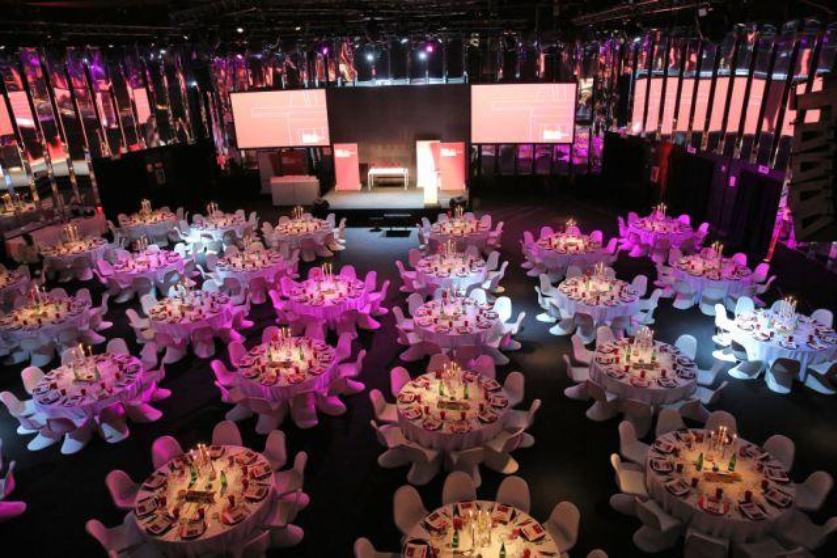
Corporate Christmas parties often gather far more people than the meetings or networking events organised throughout the rest of the year. A company that typically hosts small internal gatherings may need a space capable of welcoming two or three hundred guests once December arrives, bringing together employees, partners and sometimes key clients.
This requirement immediately reduces the number of available venues. Cities such as Milan offer a wide range of elegant spaces for small receptions, yet locations capable of hosting more than 250 people while maintaining the right atmosphere, service standards and technical infrastructure are significantly fewer. Demand is also concentrated within a relatively short period of December, particularly in the middle weeks of the month, when most companies prefer to hold their celebrations. As a result, competition for larger venues becomes intense.
The strategic value of booking early
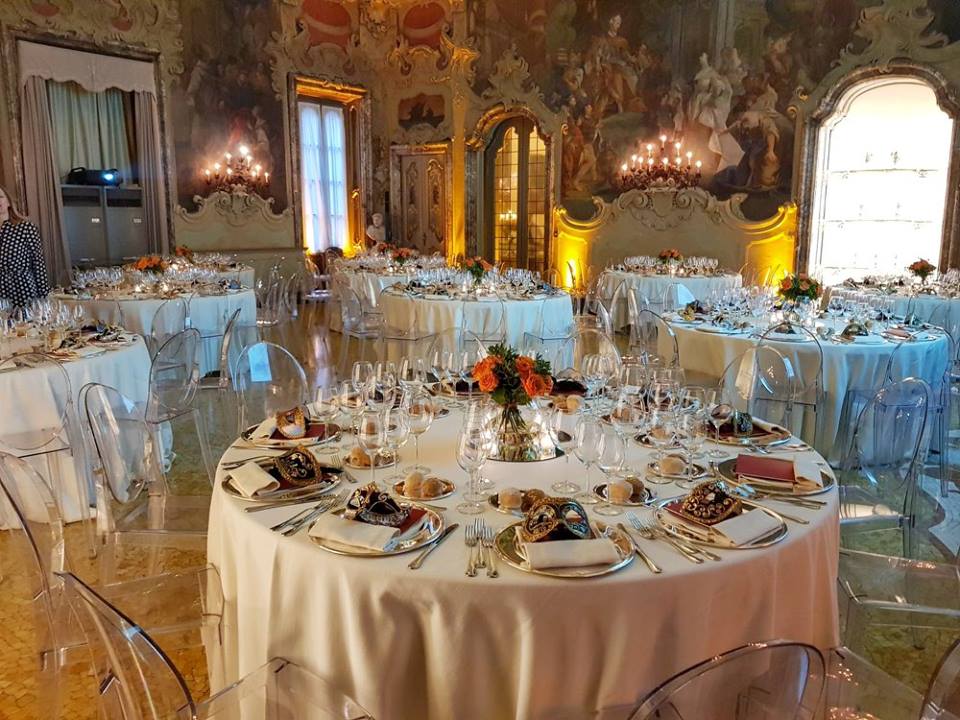
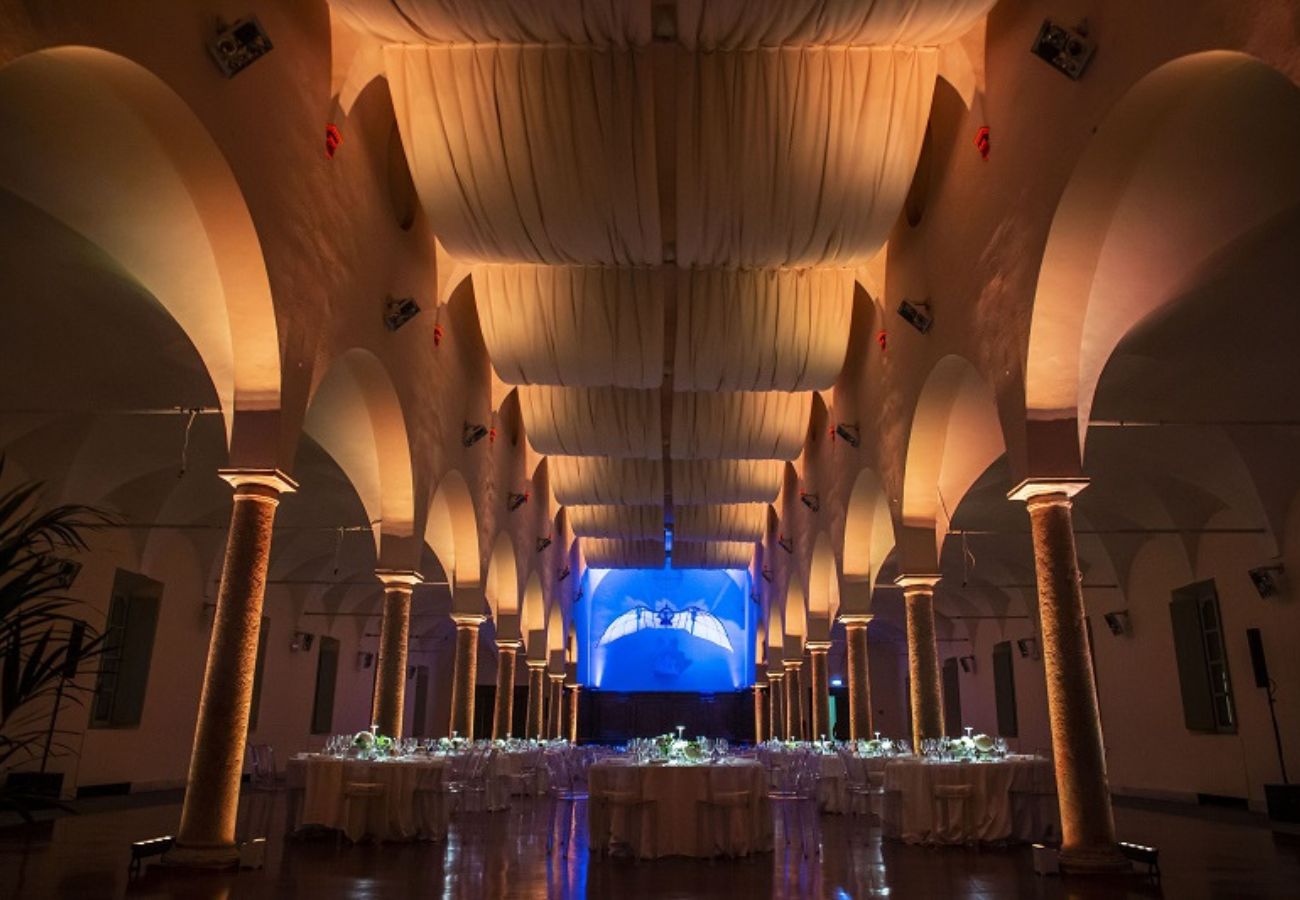
Reserving a venue in late winter provides companies with a wider range of possibilities when shaping the event. When the calendar is still relatively open, organisations can consider very different types of spaces, from historic palaces and industrial lofts to museums, exhibition halls or panoramic rooftops overlooking the city.
Early planning also allows access to the most sought after suppliers. Catering teams, lighting designers, technical crews and entertainment providers usually receive a high number of requests for December dates, and their schedules begin to fill quickly. Securing these partners months in advance makes it easier to develop a coherent concept for the event and to coordinate the various production elements with greater care.
More time also supports thoughtful decisions about menus, scenography and guest experience. With a longer preparation window, companies can evaluate different options, adjust the budget where necessary and organise the operational aspects of the event without unnecessary pressure.

The risks of waiting too long
Companies that postpone venue selection until late summer or early autumn frequently discover that many of the most suitable locations have already been reserved. The spaces that remain available may be smaller, less central or less flexible in terms of layout and technical equipment.
This situation often forces organisers to rethink the scale of the event or adapt the original plan to the characteristics of the available venue. Additional resources may be required to transform a less suitable space, and suppliers with limited availability may offer fewer options or higher costs. At the same time, a shorter planning timeline leaves less room for experimentation and careful coordination between the various teams involved.
A practical planning timeline for Christmas events
Companies that regularly organise large end of year celebrations often follow a clear annual rhythm. The early weeks of January are used to review the previous event and gather internal feedback. During February and March attention shifts towards the search for suitable locations, with the objective of confirming the venue while the most popular options are still available.
Spring and early summer then become the period dedicated to creative development and supplier coordination, while the autumn months focus on operational tasks such as guest invitations, confirmations and final production details. Within this framework, thinking about December celebrations at the end of winter no longer appears premature, but rather a pragmatic step in securing the most appropriate setting for a large corporate gathering.