Questions to ask before booking your event location
Booking an event space can seem straightforward—until you’re in a half-prepared room at 6pm discovering no one confirmed the extension leads, your preferred caterer isn’t approved, and clean-up after 10pm costs double.
The issue is often a mistaken approach: choosing a location is not like booking a hotel room, but entering a logistical partnership that can either support or undermine the entire event.

Vendor restrictions and approved suppliers
Many venues require in-house catering or vendors from an approved list. This can work if quality and pricing are reasonable, but becomes problematic if you’ve already chosen an external supplier or the list is limited and outdated.
Ask clearly: must you use in-house catering, or can you bring your own? If approved suppliers are required—for catering, AV, floristry, or entertainment—request the list early and obtain quotes before signing. Clarify what’s included: service style, courses, equipment, tableware. Not everything is always covered. Some venues also charge a coordination fee for external vendors. It’s essentially a surcharge—best to know it upfront.

Staffing, clean-up, and responsibilities
Staff quality can define the event. Confirm what personnel are included: security, hosts, entertainers, service staff, cleaners. Who handles food preparation and service? Who manages post-event clean-up?
Costs often rise here if details are unclear. Basic cleaning may be included, but breakdown, waste removal, and full restoration might be extra. Check penalties for damages or overtime. If the event runs late or produces more waste than expected, fees can increase, especially after certain hours.

Weather contingency plans
If any part of the venue is outdoors, a backup plan is essential. This might mean indoor space or temporary structures like tents. Prioritise locations that allow a smooth transition between indoor and outdoor areas.
Don’t just hear about Plan B—see it. Will guests be comfortable, or crowded into an undersized room? If 150 people must fit into a space designed for 80, that matters before signing.
Clarify weather policies: who decides to move indoors, and when?
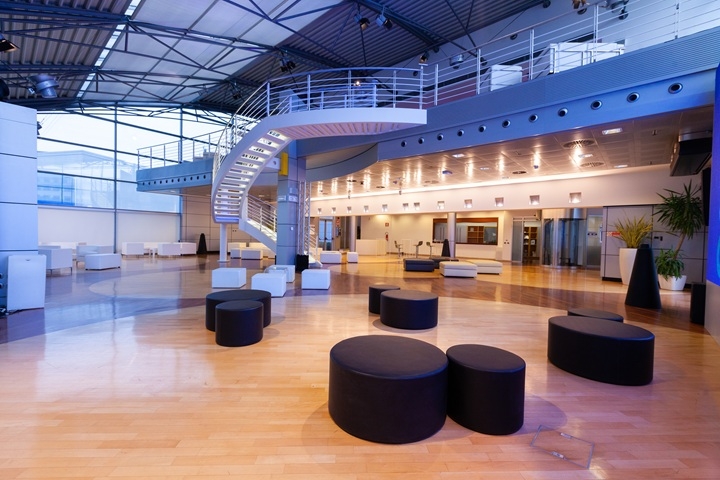
Technical capabilities and connectivity
A visually appealing venue may hide technical limits, such as insufficient power supply. Check WiFi, sound systems, microphones, and AV equipment.
Does the venue provide in-house tech? At what cost? Can you bring your own providers?
For professional events, reliable internet is essential. Confirm connection type and guest network availability. Standard WiFi may not support streaming or video conferencing.

Capacity and concurrent events
Space affects perception: too large feels empty, too small creates congestion. Define your needs—guest numbers, breakout rooms, main stage—before booking.
Also check for other events at the same time. Overlapping programmes can impact logistics and atmosphere.
Contract terms to review carefully
Pay close attention to clauses like attrition, which impose fees if you don’t meet booking commitments. There’s usually a deadline to release unused space before charges apply.
Have contracts reviewed carefully, including penalties, insurance, cancellations, deposits, and force majeure terms—especially given how quickly circumstances can change.
The questions that feel uncomfortable early on are the ones that prevent costly surprises later. A venue that resists detailed queries may not be reliable when issues arise.