Event success isn't a spreadsheet: why numbers miss the actual story
Every organisation tracks the same baseline metrics. Budget spent, participants counted, leads generated, ROI calculated. Spreadsheets fill up with promising figures, and the event gets filed away as a success. Yet somewhere between signing off on those figures and the actual impact becoming visible six months later, something slips.
The conversation that mattered never happened. The partnership that should have deepened didn’t. The numbers say the event was successful, but reality tells a different story. Numbers appeal because they fit neatly into quarterly reporting and shareholder decks, and the problem sits precisely there: event metrics evolved to satisfy accounting departments rather than actual event purpose. A product launch "succeeds" because it hit attendance targets even though key stakeholders never connected. A networking conference "performs" because it generated leads, even though those leads converted nowhere.

Return on Objectives flips the equation
ROO reframes events entirely. Rather than asking what financial return an event generated, ROO asks whether the event actually delivered on what it was designed to accomplish. That means defining success clearly before the event starts, then measuring whether people actually achieved those objectives. If the goal was to strengthen executive-level dialogue, the relevant metric isn't attendance; it's whether genuine strategic conversations happened. If the goal involved building culture, success is measured by whether people left feeling genuinely connected to one another and to the organisation's purpose. Numbers support these conclusions, but they don't constitute them.

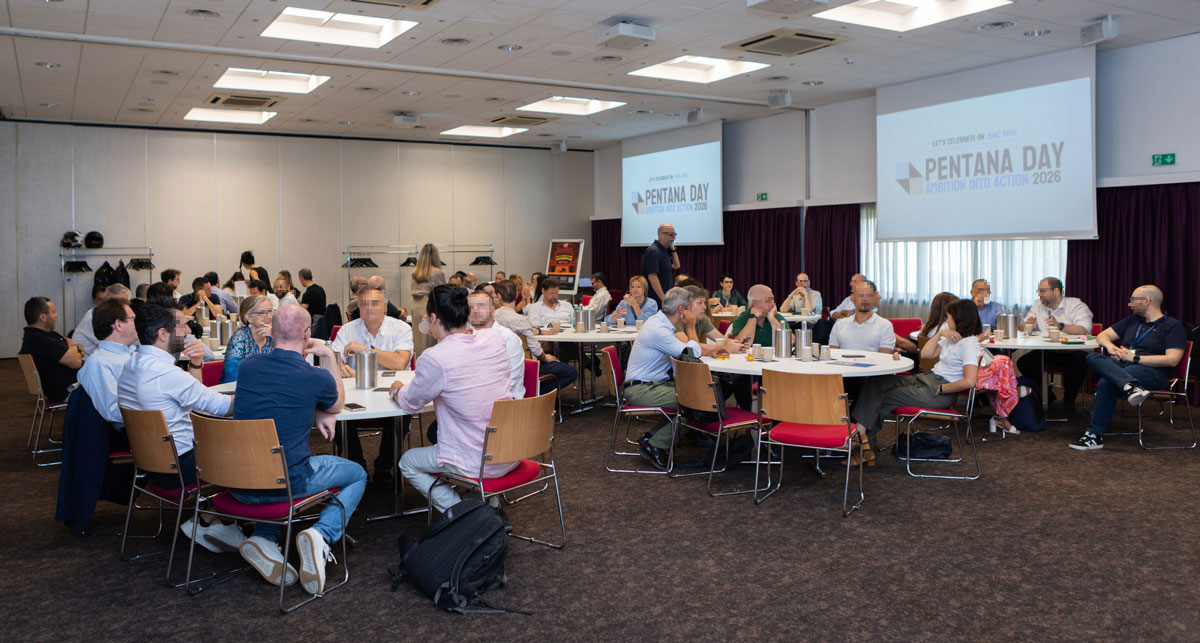
Venues play a surprisingly large role here. A generic hotel ballroom optimises for capacity and cost-control, inherently communicating that the event prioritises efficiency over experience. A carefully selected space designed for human connection—intimate enough for genuine conversation, flexible enough to adapt to how discussions actually unfold—sends an entirely different signal. Location a Milano curates spaces precisely because venue choice either enables or undermines whatever strategic objectives an organisation actually wants to achieve.
Return on Relationships: the long game nobody tracks
An event builds relationships when attendees leave with new contacts, strengthened partnerships or genuine professional connections. To measure ROR, consider the number of meaningful interactions that took place: new contacts made, meetings held, follow-up conversations scheduled. That sounds straightforward until someone tries to quantify “meaningful.”
The relationship that mattered most might have been a casual conversation that never resulted in a business development follow-up. The partnership that shifted an organisation’s trajectory may have begun with an unexpected introduction over coffee, rather than during a structured networking session. Spreadsheets struggle with this precisely because the value of relationships accumulates invisibly, compounds over months and only becomes apparent in retrospect.

That's why measuring ROR requires entirely different tools, such as survey data asking whether attendees felt genuinely connected and follow-up analysis tracking which relationships led to collaboration. It's messier than ROI, but it's also far more honest about how events drive business outcomes.
Venue flexibility becomes strategic infrastructure
A venue that functions well for traditional event formats often fails at relationship-building, whereas open spaces designed for standing encourage circulation and spontaneous conversation but lack zones for deeper dialogue. The best venues solve this through configurability: spaces that adapt throughout an event—formal sections for keynotes, intimate zones for conversation, breakout areas for smaller meetings, communal spaces that encourage lingering and connection—allow multiple interaction styles to coexist.

We can tell you from experience that an event that hit attendance targets and generated leads but left participants feeling like attendees rather than collaborators succeeded in execution but failed in purpose. Conversely, an event that drew a smaller crowd but fundamentally shifted how teams within an organisation connected and collaborated delivered exponential value despite mediocre spreadsheet numbers.
The calculus that actually matters
That’s why we build event strategies around outcomes first, venue second. That inversion—asking what needs to happen before asking where it should happen—produces events measured by genuine success rather than convenient metrics.